
Hernia Treatment: What To Know About Surgery And Recovery
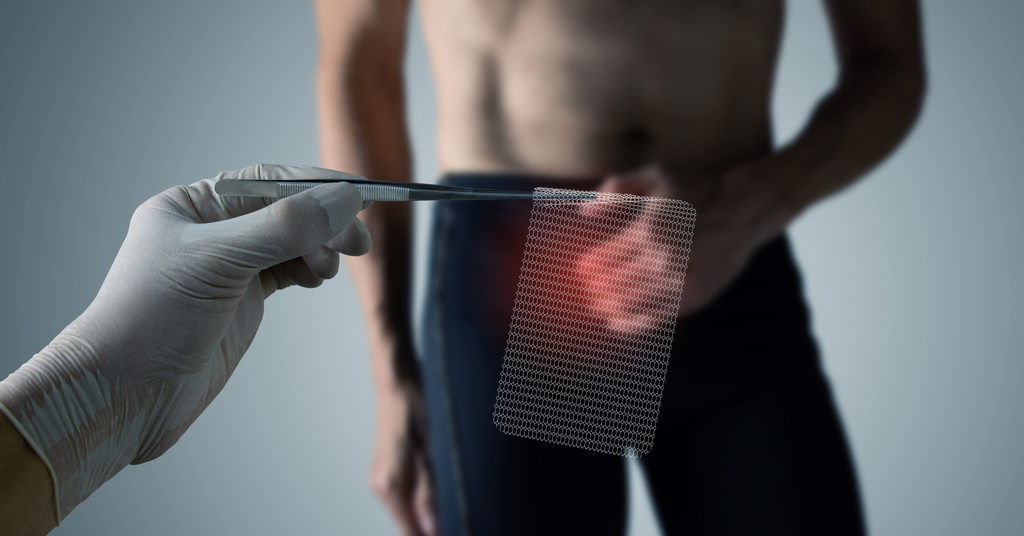
A hernia occurs when part of an internal organ or tissue pushes through a weak spot or opening in the muscle or tissue that normally holds it in place. Most hernias happen in the abdominal wall, where soft tissue, fat or part of the intestine bulges through the abdominal muscles. Hernias can develop slowly over time as muscles weaken with age and everyday wear and tear. They can also happen because of an injury, surgery or a condition present at birth.
How is a hernia treated?
Most hernias require surgical repair at some point, but not every hernia needs to be treated right away.
“If a hernia is small, mild or only appears occasionally, your healthcare provider may recommend monitoring the hernia over time to see if it grows, becomes painful or causes symptoms,” said Duane Tull, MD, FACS, a board-certified surgeon with Penn Highlands General Surgery.
When is surgery needed for a hernia?
Surgery is usually recommended when a hernia is painful, getting larger, causing symptoms or at risk for complications. Incisional hernias and larger hernias are often repaired sooner because they tend to enlarge over time.
What are the types of hernia repair surgery?
There are several approaches to hernia repair. The best option depends on the type, size and location of the hernia, as well as your overall health and surgical history.
Open hernia repair involves making an incision directly over the hernia. The surgeon pushes the tissue back into place, closes the weakened area and may reinforce it with mesh. This approach may be used for smaller umbilical or ventral hernias, as well as larger or more complex hernias that cannot be repaired with minimally invasive techniques.
Laparoscopic hernia repair is a minimally invasive procedure performed through several small incisions. A thin tube with a lighted camera, called a laparoscope, allows the surgeon to see inside the abdomen. Small surgical tools are inserted through other incisions to repair the hernia, often with mesh. This approach may result in less pain, smaller scars and a faster return to normal activities.
Robotic hernia repair is also minimally invasive. Like laparoscopic surgery, it uses small incisions, but the surgeon controls robotic instruments from a console. This allows for precise movements and may be helpful for more complex abdominal wall repairs. In some cases, robotic surgery may help patients avoid a larger open incision and allow for a shorter hospital stay.
What does the recovery process look like?
Recovery depends on the type of hernia, the complexity of the repair and your overall health. Many people are able to go home the same day as the surgery, though some ventral or incisional hernia repairs may require an overnight hospital stay.
“Most people can return to non-physical work, such as a desk job, within a few days,” said Dr. Tull. “If your job involves lifting, standing for long periods or physically demanding tasks, you may need to wait a few weeks before going back to work. Your provider can give you a more specific timeline based on your surgery and daily responsibilities.”
Light activity is usually encouraged soon after surgery. Short walks can help improve circulation and support healing, and many people can begin walking the day after their procedure. However, you should avoid strenuous exercise and activities that cause pain at the surgical site until your provider says it is safe.
If you are suffering from a hernia, the experienced surgical team at Penn Highlands Healthcare offers a range of treatment options, from careful monitoring to advanced, minimally invasive surgical solutions, such as the da Vinci® Xi Surgical System, tailored to your unique needs. Learn more at www.phhealthcare.org/generalsurgery.
