Living With PTSD: What It Is And How To Get Help

Post-traumatic stress disorder (PTSD) is a mental health condition that can develop after someone experiences or witnesses a traumatic event. While stress after trauma is normal, PTSD occurs when that stress continues long after the danger has passed and begins to interfere with daily life.
Symptoms of PTSD
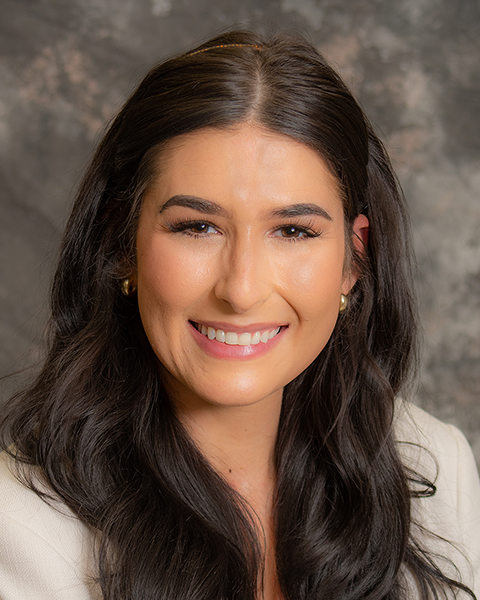
“While symptoms vary from person to person, they often begin within the first few months after a traumatic event, though they can sometimes appear much later,” said Kelley Chilson, PsyD, a licensed psychologist at Penn Highlands DuBois. “Symptoms may also become more intense during periods of stress or when something triggers memories of the trauma.”
PTSD symptoms generally fall into four main categories: intrusive memories, avoidance, negative changes in thinking and mood and changes in physical or emotional reactions.
Intrusive memories: Intrusive symptoms bring unwanted reminders of the traumatic event back into your mind. These may include recurring memories, nightmares, flashbacks or strong emotional and physical reactions to people, places or situations that remind you of the trauma.
Avoidance: Many people with PTSD try to avoid anything that reminds them of the traumatic experience. This may involve staying away from certain places, activities or people, as well as avoiding conversations about the event or trying not to think about what happened.
Changes in thinking and mood: PTSD can affect how you view yourself, others and the world around you. Common symptoms include persistent feelings of fear, guilt, anger or shame; negative thoughts; difficulty feeling positive emotions; loss of interest in favorite activities; memory problems related to the event; and feeling detached from family and friends.
Changes in physical and emotional reactions: Sometimes called arousal symptoms, these changes can leave a person feeling constantly on edge. Symptoms may include being easily startled, irritability, risky or self-destructive behavior, angry outbursts, trouble concentrating, difficulty sleeping and feeling overly alert to potential danger.
Symptoms in children: PTSD can look different in children, especially younger kids who may not have the words to describe what they are experiencing. Signs can include behavioral changes, frequent tantrums, nightmares, strong emotional reactions, avoiding reminders of the event, withdrawal from others or repeatedly acting out the traumatic experience during play.
Living with PTSD
While there is no quick cure for PTSD, it can be managed with the right treatment and support. Finding the plan that works best for you may take time, and your provider may adjust your care as your needs evolve. Even if symptoms do not fully resolve, they can become less disruptive over time.
Sticking to your treatment plan, learning about PTSD and staying connected with supportive people are all important steps forward. Healthy habits may also support your recovery, including getting enough sleep, exercising, eating a balanced diet, practicing mindfulness and avoiding alcohol or drugs as a way to cope.
Seeking help for PTSD
“If you experience symptoms of PTSD that last more than a month or begin affecting your work, school, relationships or daily life, reach out to a healthcare provider or mental health professional,” said Dr. Chilson. “PTSD is treatable and getting help early can make a real difference. A provider can review your symptoms, discuss your health history and work with you to find a treatment plan that fits your needs.”
If you feel depressed, are using alcohol or drugs to cope or have thoughts of self-harm or suicide, tell someone right away. If you feel you may be at immediate risk of harming yourself, seek emergency help or call or text 988 to reach the Suicide and Crisis Lifeline.
Penn Highlands Healthcare offers comprehensive mental health services, including management and treatment of PTSD. Our team of psychiatrists, clinical psychologists, physician assistants, licensed clinical social workers and licensed professional counselors provide both inpatient and outpatient behavioral health services for adults, seniors and children ages 5 and up. Learn more at www.phhealthcare.org/bhs.