What Happens to the Brain During a Stroke?

According to the American Stroke Association, strokes are a leading cause of disability and the fourth most prevalent cause of death in the United States. While most strokes occur in people over the age of 65, anyone can have a stroke, which is why it is important that people of all ages understand what a stroke is and what to do if they experience one.
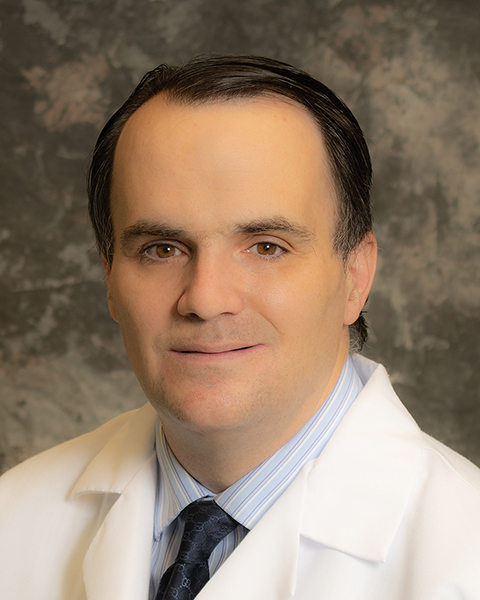
“Your brain needs oxygen to function, and it gets that oxygen from blood that is pumped by your heart to the rest of your body through a network of blood vessels,” said James Pacelli, MD, a neurologist with Penn Highlands Neurology. “When the vessels that carry oxygen to the brain become blocked or ruptured, a stroke occurs.”
There are two main types of strokes: ischemic and hemorrhagic. An ischemic stroke, which is the most common, is caused when a blood vessel that supplies the brain becomes blocked. This prevents the brain from getting oxygen, and without oxygen brain cells and tissues begin to die within minutes.
A hemorrhagic stroke occurs when a blood vessel in the brain leaks or ruptures. When the vessel bleeds into the brain, cells and tissues do not receive the oxygen they need to survive. It also increases the pressure in the brain, which can cause further damage.
What are ministrokes?
A transient ischemic attack (TIA), often called a ministroke, occurs when blood flow to the brain is temporarily blocked. Because of this, the symptoms of TIA are very similar to the symptoms of an ischemic stroke. But unlike an ischemic stroke, the clot usually dislodges or dissolves on its own.
“The symptoms of a TIA usually last less than five minutes, though in rare cases they can last for up to 24 hours,” said Dr. Pacelli. “While a TIA likely will not cause permanent damage, it can be a warning sign that a full stroke could occur in the future, and the risk is especially high within 48 hours of the initial TIA.”
If you experience any of the following symptoms of a stroke or a TIA, you should seek immediate medical attention, even if they go away:
- Weakness, numbness or paralysis on one side of your body
- Slurred speech or difficulty understanding others
- Trouble seeing in one or both eyes
- Dizziness or lack of coordination
- Sudden severe headache with no apparent cause
Who is most likely to experience a stroke?
Most strokes occur to people in their 70s, although the highest risk is for people in their 90s. The risk of stroke gets higher as you age, but they can occur to anyone at any age. In fact, data shows that the prevalence of strokes between the ages of 18 and 44 has increased nearly 15% in the last decade.
Men are most at risk of experiencing a stroke earlier in life, but women are most likely to experience a stroke in general, partly because they live longer. Pregnancy and birth control can also increase their risk. Black people, Latinos, Alaska Natives and Native Americans also have a higher risk of stroke.
What should you do if you think you are having a stroke?
Time is of the essence when treating a stroke. If you or a loved one experiences any of the signs of a stroke or TIA, call 911 immediately. After you call 911, note what time the symptoms begin, as this can help healthcare providers determine the best treatment.
All Penn Highlands Healthcare emergency departments are prepared to identify and treat strokes as quickly as possible. Penn Highlands DuBois and Penn Highlands Mon Valley are designated Primary Stroke Centers. This certification from The Joint Commission recognizes hospitals that have the infrastructure, staff and training to identify and treat patients with the most complex strokes. In addition, Penn Highlands Elk is certified by the American Heart Association/American Stroke Association as an Acute Stroke Ready Hospital which it achieved for its dedication to providing stroke care to the community.
To learn more, visit www.phhealthcare.org/stroke.